Here’s how Georgia leaders recruited Audi’s $4B plant, its first in the U.S.
How Georgia’s automotive supplier network helped make the state attractive to Audi.
Interviews and coverage on supply chains, trade, and retail.
How Georgia’s automotive supplier network helped make the state attractive to Audi.
Who can claim tariff refunds and which businesses and consumers ultimately paid the costs.
How disruptions at a major shipping chokepoint can affect energy prices and trade.
How tariffs and ingredient shortages shaped chocolate makers’ production decisions.
What the rate cut signals about jobs and inflation, and what it means for borrowers and savers.
How automobile tariffs can affect Georgia dealerships, import volumes, and logistics.
How tariff costs reach businesses and consumers in the beauty supply chain.
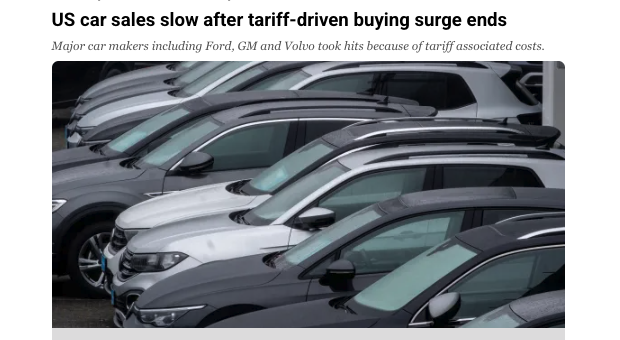
How tariffs and the pull-forward of vehicle purchases affect auto prices and demand.
How tariffs and borrowing costs can affect Georgia businesses and consumers.
A look at how finance leaders assess demand and recession risk amid tariff uncertainty.
Potential retaliation and its implications for U.S. agricultural supply chains.
How changing tariffs complicate business planning and supply decisions for Georgia firms.
How an egg surcharge could change what customers order.
How tariff retaliation could raise prices for U.S. consumers.
Why absorbing higher tariff costs can be difficult for importers.
How proposed import tariffs could affect prices, jobs, and supply chains.
Georgia State reports on research on how tariffs affect firms across domestic supply networks.
How rerouted automobile shipments could affect Georgia’s ports.
How the closure of Baltimore’s port disrupted vehicle imports and exports.
The immediate implications for finished-vehicle routing and dealer inventory.
An MITx Supply Chain Fundamentals discussion about inventory challenges across retail channels.